AI for Learning: How Artificial Intelligence Is Transforming Education
Artificial Intelligence is rapidly reshaping the way education works. AI for learning is enabling institutions, educators, and organizations to deliver more personalized, engaging, and effective learning experiences.
From adaptive platforms to intelligent tutors, AI is redefining learning experiences through modern AI-native learning platforms. Instead of a one-size-fits-all approach, AI for learning enables customized learning journeys that adapt to each learner’s needs, pace, and progress.
As education systems face increasing pressure to improve outcomes and support diverse learners, AI is becoming a powerful tool to enhance both teaching and learning.
How AI for Learning Enables Personalized Learning
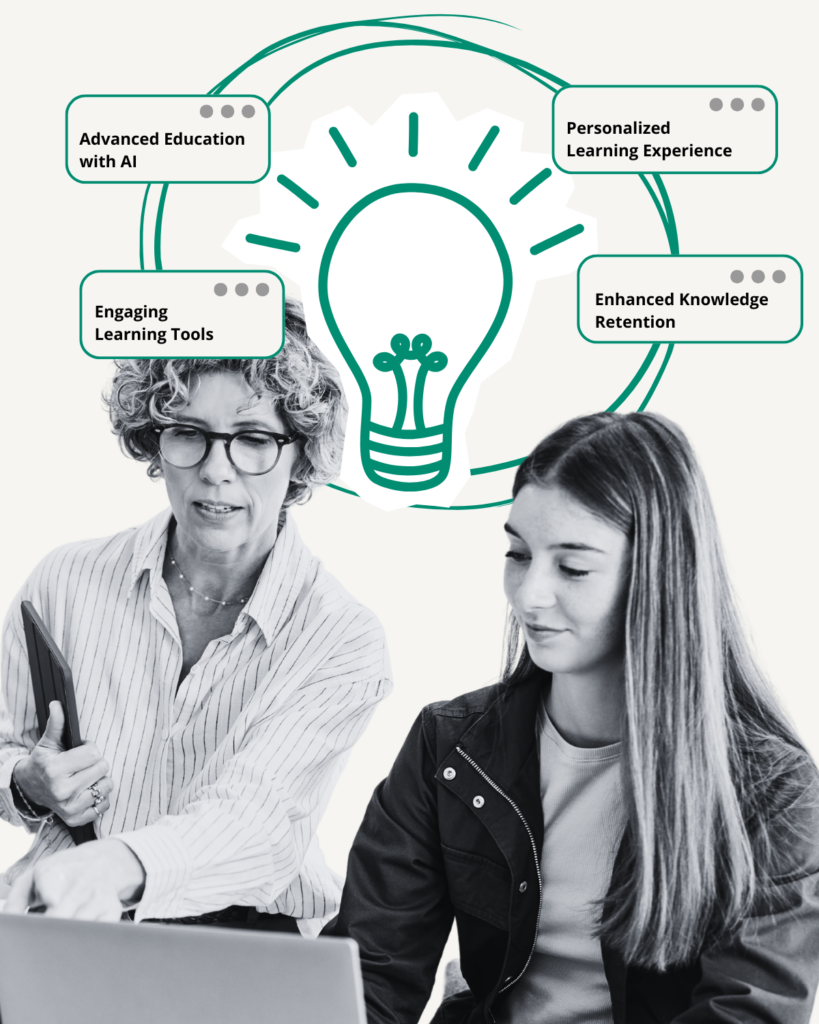
One of the most important benefits of AI for learning is its ability to create personalized learning experiences.
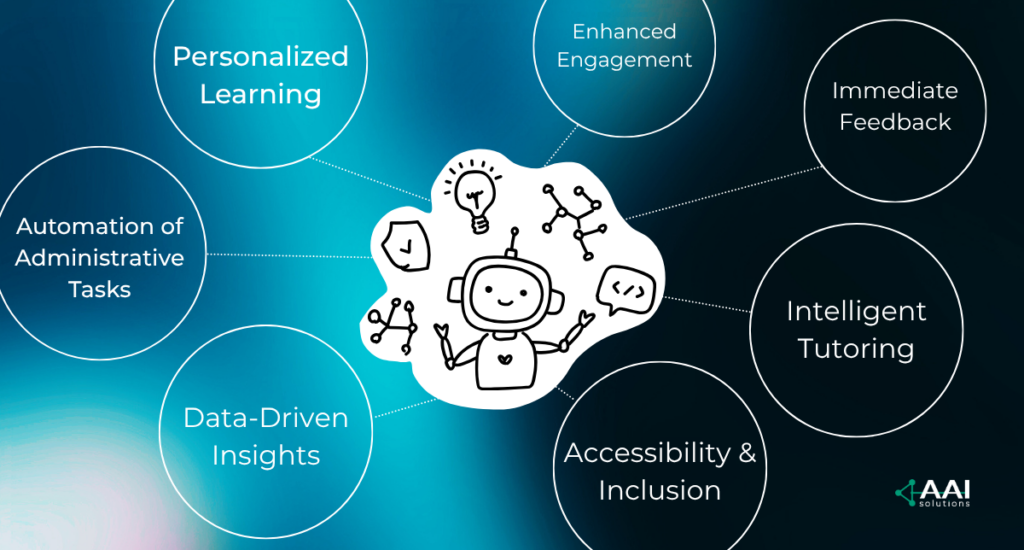
Traditional classrooms often struggle to address the different learning styles, speeds, and needs of individual students. AI helps overcome this challenge by analyzing data from student interactions, assessments, and learning behaviors. Based on this analysis, AI systems can recommend personalized learning paths for each learner. This level of personalization is made possible by integrated AI solutions for learning that connect data, content, and learner behavior.
Adaptive learning platforms powered by AI continuously adjust the difficulty level of lessons and exercises. If a student struggles with a concept, the system provides additional explanations, examples, or practice activities. If a learner progresses quickly, the system can introduce more advanced material.
This personalized approach helps students stay engaged, build confidence, and learn at their own pace. As a result, AI for learning improves both learner motivation and academic outcomes.
AI Tools That Improve Engagement in Learning
Student engagement is a critical factor in effective learning. AI technologies are helping educators design more interactive and immersive learning experiences.
AI-driven gamification is one example. Learning platforms use points, achievements, and leaderboards to motivate students and encourage active participation. These elements make learning more enjoyable and increase student involvement.
Another powerful innovation is the integration of virtual reality (VR) and augmented reality (AR) with AI. These technologies allow students to explore environments, conduct simulations, and interact with content in ways that traditional textbooks cannot provide. For example, learners can explore historical events, perform virtual science experiments, or practice language skills through AI-powered simulations.
AI chatbots and virtual tutors are also becoming popular tools for supporting learners. These systems can answer questions instantly, provide explanations, and guide students through difficult topics. With AI for learning, students receive immediate support whenever they need it, improving their overall learning experience. Instead of relying on disconnected tools, many institutions are adopting AI-powered learning systems that unify engagement, content, and feedback.
AI-Connected Assessment and Feedback
Assessment is another area where AI for learning is transforming education.
Traditional assessment methods often rely on manual grading and standardized tests, which may not fully capture a student’s progress. AI-Connected assessment systems can analyze multiple data points such as assignments, quizzes, participation, and learning behavior to provide a more comprehensive understanding of student performance.
One of the biggest advantages of AI-based assessment is instant feedback. Instead of waiting days for results, students can immediately see how they performed and where they need improvement. This allows them to adjust their learning strategies and focus on areas where they need additional practice. These capabilities are most effective when delivered through a unified AI learning platform that continuously tracks and adapts to learner progress.
AI can also analyze written responses using natural language processing to provide feedback on structure, clarity, and critical thinking. These capabilities help learners develop deeper understanding and higher-order thinking skills.
How AI Supports Teachers and Educators
While much attention is placed on students, AI for learning also significantly supports educators.
Teachers often spend large amounts of time on administrative tasks such as grading assignments, tracking attendance, and preparing reports. AI tools can automate many of these activities, freeing up valuable time for educators to focus on teaching and mentoring students.
AI-driven analytics can also provide insights into classroom dynamics and student performance. Teachers can quickly identify struggling learners, detect knowledge gaps, and adjust their instruction accordingly.
This is where modern AI platforms for educators play a critical role in improving teaching efficiency and student outcomes.

In addition, AI-powered professional development platforms help educators improve their teaching skills. These platforms analyze teaching practices and recommend personalized training resources, courses, or strategies.
By supporting educators with data-driven insights, AI for learning helps teachers deliver more effective instruction and better support their students.
Real-World Examples of AI for Learning in Education
Many educational institutions around the world are already using AI for learning to improve outcomes.
Some school districts use AI-connected analytics to identify students who may be at risk of falling behind. By analyzing attendance patterns, grades, and behavior data, AI systems can provide early alerts to educators, enabling timely interventions.
Adaptive learning platforms are also being used to personalize instruction for students in subjects such as mathematics, science, and language learning. These platforms continuously assess student performance and adjust lessons accordingly.
Universities and training organizations are also implementing AI chatbots to support students with course information, deadlines, and academic guidance. These systems provide instant responses to common questions, improving student satisfaction and reducing administrative workload.
These real-world implementations demonstrate how AI for learning can enhance both student success and institutional efficiency. Enterprises are increasingly investing in AI solutions for enterprise learning to scale training and upskilling initiatives.
Challenges and Ethical Considerations of AI for Learning
Despite its benefits, the adoption of AI for learning also raises important challenges and ethical considerations.
Data privacy is one of the most critical concerns. AI systems rely on large amounts of data about students, including academic performance and behavioral patterns. Educational institutions must ensure that this data is stored securely and used responsibly.
Another concern is algorithmic bias. If AI systems are trained on biased or incomplete data, they may unintentionally reinforce existing inequalities in education. Developers and institutions must regularly audit AI systems to ensure fairness and transparency.
It is also important to remember that AI should support educators—not replace them. Human teachers play a vital role in developing creativity, empathy, and critical thinking skills. The goal of AI for learning should be to enhance human teaching, not replace it.
The Future of AI for Learning
The future of AI for learning is filled with exciting possibilities.
As AI technology continues to advance, learning platforms will become even more adaptive and intelligent. Future systems may be able to predict learning challenges before they occur and recommend interventions automatically.
AI may also play a major role in lifelong learning. As industries evolve rapidly, professionals will need to continuously upgrade their skills. AI-driven learning platforms can provide personalized skill development pathways that adapt to individual career goals.
In addition, AI technologies can help make education more inclusive by providing specialized support for learners with disabilities, language barriers, or different learning needs.
As these innovations develop, AI for learning will continue to transform how people learn, teach, and grow throughout their lives.
FAQ: AI for Learning
What is AI for learning?
AI for learning refers to the use of artificial intelligence technologies to improve education by personalizing learning experiences, automating assessments, and providing intelligent tutoring support.
How does AI improve learning outcomes?
AI analyzes student data and learning patterns to deliver personalized content, adaptive assessments, and real-time feedback. This helps learners progress at their own pace and focus on areas where they need improvement.
Can AI replace teachers?
No. AI is designed to support teachers, not replace them. AI tools automate repetitive tasks and provide insights that help educators focus on instruction, mentorship, and student engagement.
What are examples of AI tools used in learning?
Examples include adaptive learning platforms, AI chatbots, virtual tutors, AI-powered assessment systems, and immersive learning technologies such as AI-driven VR simulations.
People Also Ask:
How is AI used in learning?
AI is used in learning to personalize educational experiences, provide real-time feedback, automate assessments, and offer intelligent tutoring support.
What are the benefits of AI for learning?
AI helps improve learning outcomes by adapting content to individual learner needs, increasing engagement, and providing data-driven insights for educators.
Is AI the future of education?
AI is expected to play a major role in the future of education by enabling personalized learning pathways, improving teaching efficiency, and supporting lifelong learning.
Can AI personalize learning?
Yes. AI analyzes student performance and behavior to recommend customized lessons, exercises, and learning resources tailored to each learner.
Conclusion
Artificial intelligence is reshaping the future of education. By enabling personalized learning, improving student engagement, and providing data-driven insights for educators, AI for learning is transforming how knowledge is delivered and experienced.
When implemented thoughtfully and ethically, AI can empower educators, support learners, and help institutions create more effective and inclusive learning environments.
As education continues to evolve, AI for learning will play a central role in building smarter, more adaptive, and more impactful learning ecosystems.
Ready to See AI for Learning in Action?
Discover how AAI Solutions helps institutions and enterprises move beyond fragmented tools to build intelligent, connected learning systems.